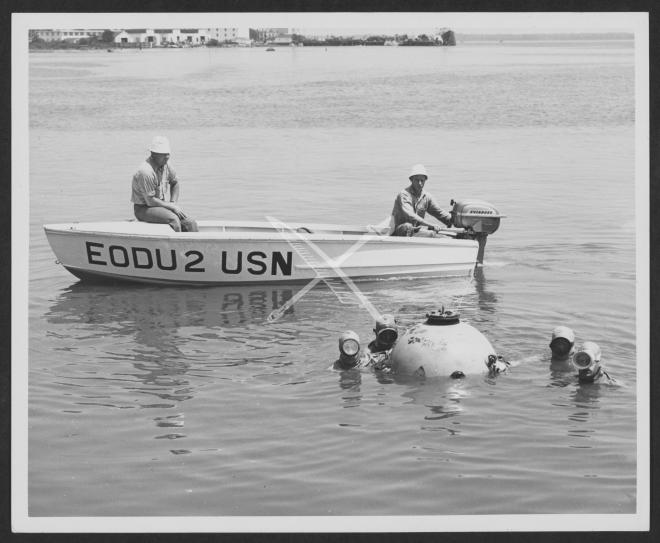
A unit of the Mine Force Atlantic is Explosive Ordnance Disposal Unit Two. The personnel of EODU-2 are highly trained experts in the disposal and dearming of mines, bombs, and other types of convential ordnance, as well as, special weapons. They also must be qualified as SCUBA and deep sea divers. Deployed MINLANT Units usually have an EODU-2 team embarked.
Categories:
People
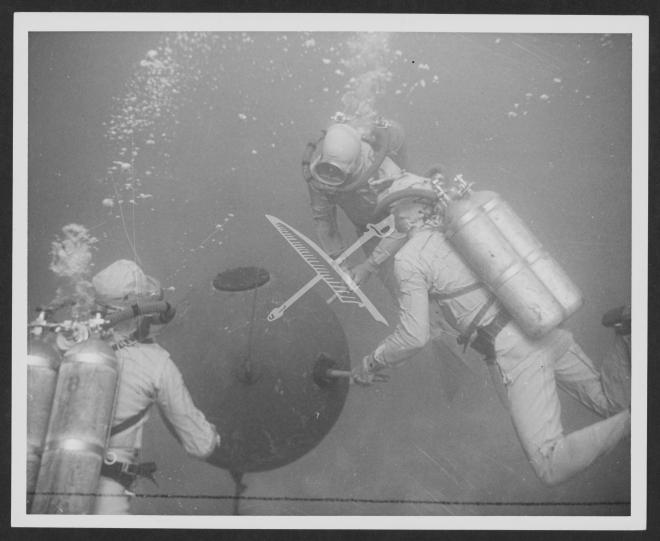
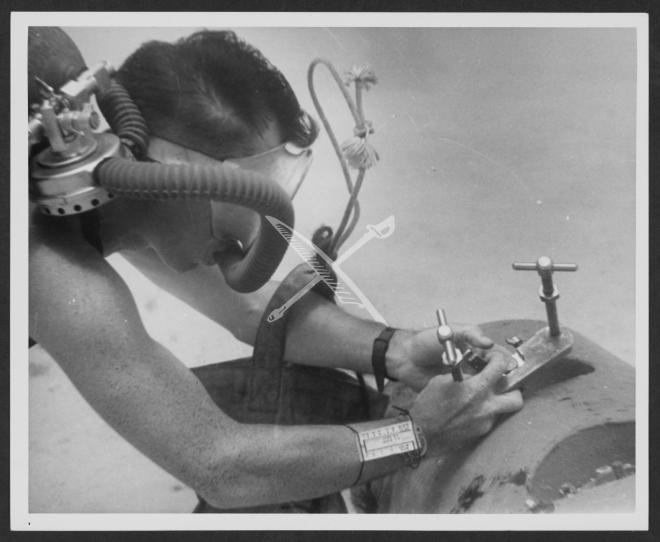
35 mm shots of men working underwater at Key West, Fla., Explosive Ordnance Team (EOD) man disarms influence mine for a training film.
Categories:
People
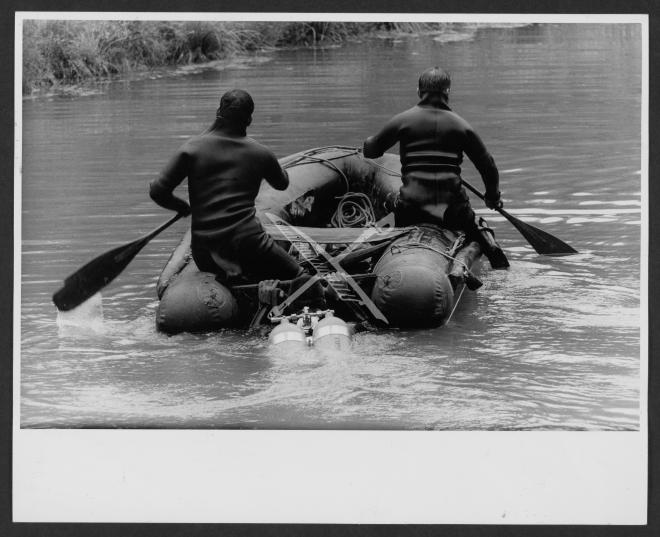
Three members of an Explosive Ordnance Disposal Team set of in a rubber water craft during training at the Explosive Ordnance Disposal School at Indian Head, Maryland. Two of the men sit a top the craft and direct it with paddles, while a third pushes the back of the craft from the water. The exact date of this photograph is unknown.
Categories:
People
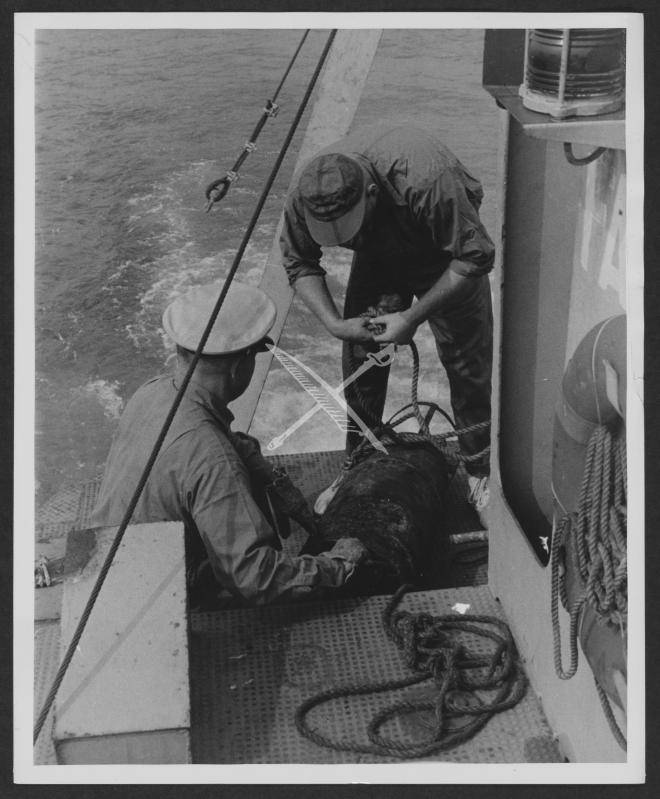
Those Who Work With Death - Smith and De Hahn examine a corroded Japanese World War II depth bomb after it was recovered from Tokyo Bay. The charge was just as potent as it was during the War. The exact date of this photograph is unknown.
Categories:
People
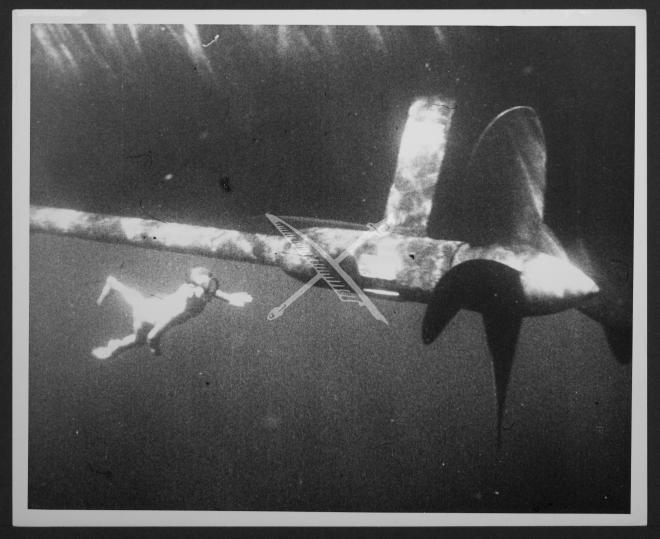
FROGMEN, Peacetime training for amphibious invasions of hostile shores in the event of future war combines the lessons learned in World War II landing with postwar developments of landing techniques and weapons. Amphibious operations, from North Africa in November 1942, to Normandy and South France, in June and August, 1944, and in the Pacific and Southwest Pacific, from Guadalcanal and New Guinea in 1942 to the climaxing operations against Iwo Jima and Okinawa in 1945, speeded the winning of the war and saved untold numbers of American causalities. Atlantic Fleet amphibious training during World War II was principally in Little Creek, Virginia, Solomons, Maryland, and Fort Pierce, Florida, and at advanced bases in England. Pacific Fleet training was conducted at Several West Coast bases and in Hawaii., UNDERWATER--This photograph of a swimmer shown under the hull of a ship was made on a 35mm motion picture camera specifically built by E. R. F. Johnson for underwater work.
Categories:
People
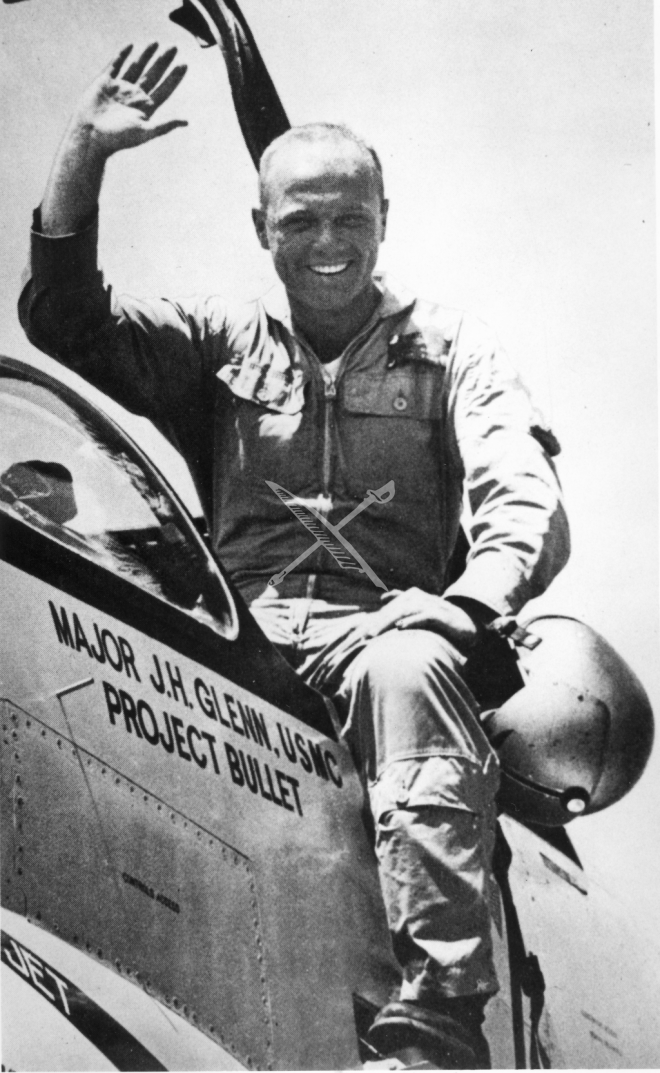
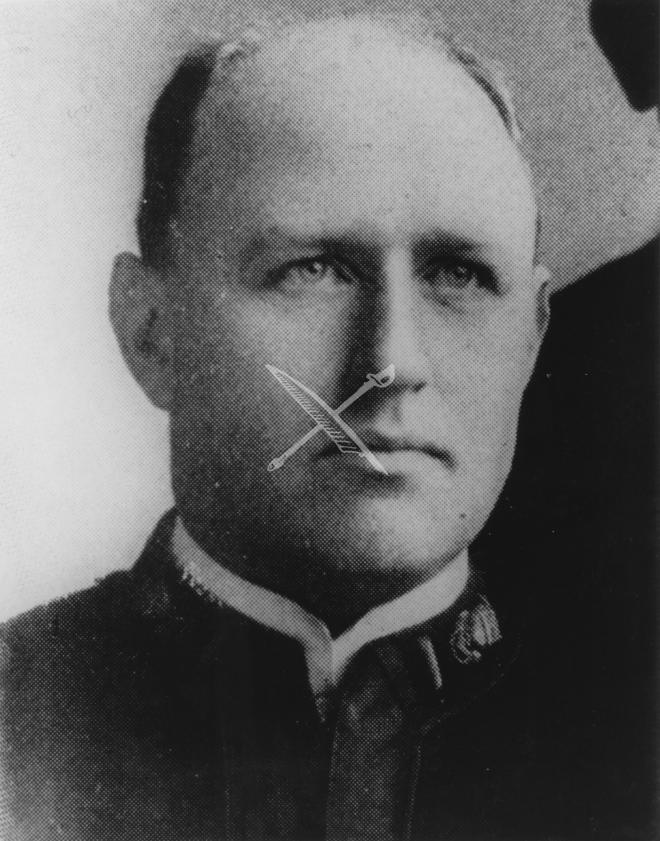
Commodore Commandant Ellsworth Price Bertholf, USCG. Photograph was taken in 1898 when Bertohalf was a 2nd Lieutenant in the U.S. Revenue Cutter Service and a member of the Jarvis Overland Expedition.
Categories:
People
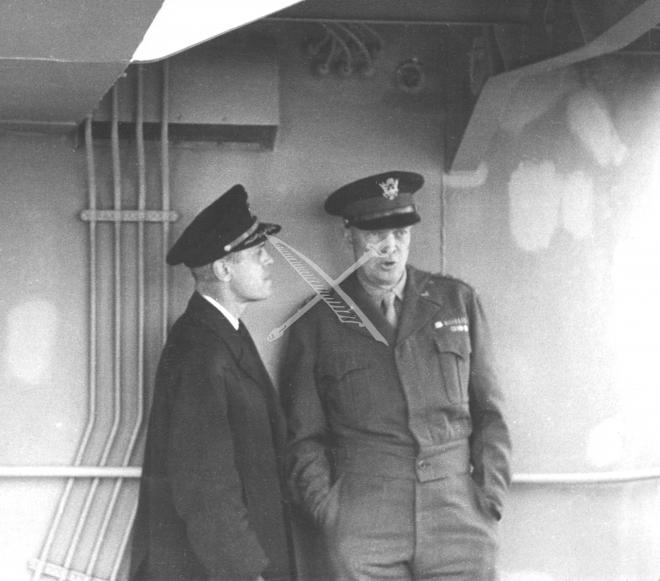
Naval Reserve Captain Edmond J. Moran receives urgent and specific instructions from Supreme Allied Commander Europe General Dwight D Eisenhower on board the destroyer USS Thompson after D-Day. The general ordered Moran back to the United States for more supplies and equipment to keep the invasion going. Photo courtesy of Edmond J. Moran, Jr.
Categories:
People
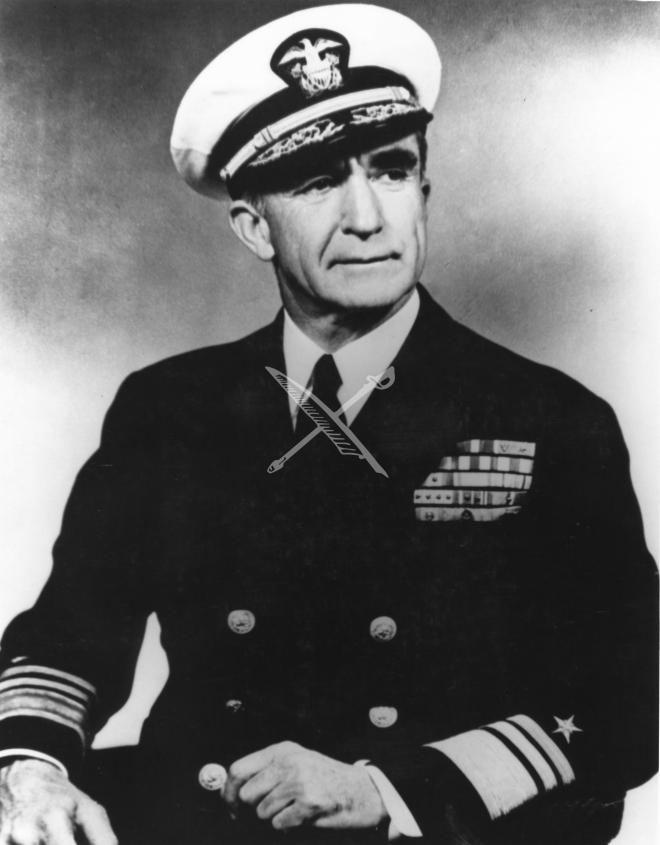
Vice Admiral Morton L. Deyo, U.S. Navy. Admiral Deyo was twice a winner of the Navy Cross.
Categories:
People
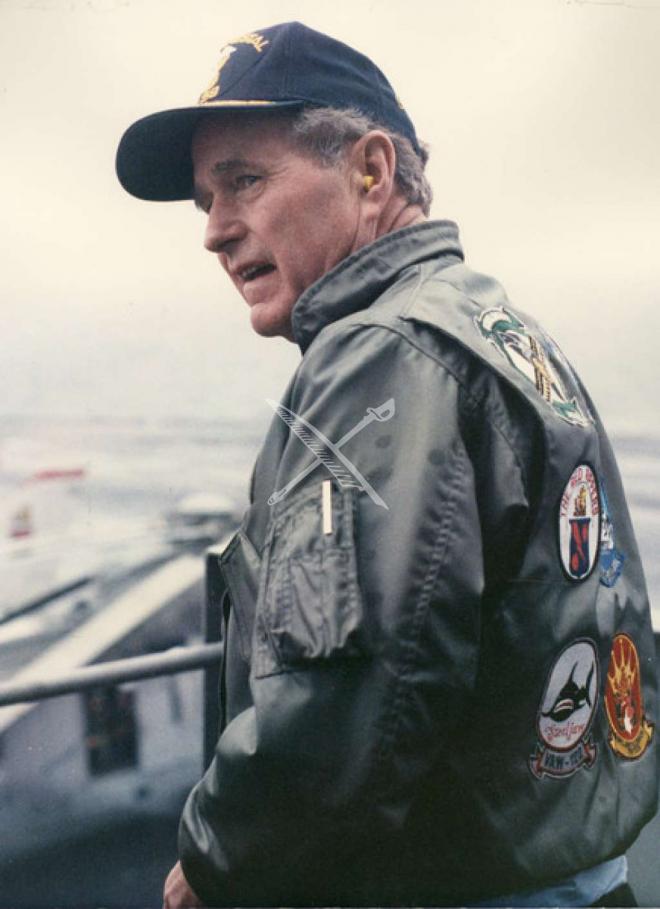
President George H. Bush gives a rather startled look after an unannounced F-14 creates a sonic boom overhead on the U.S.S. Forrestal, December 1, 1989.
Categories:
People
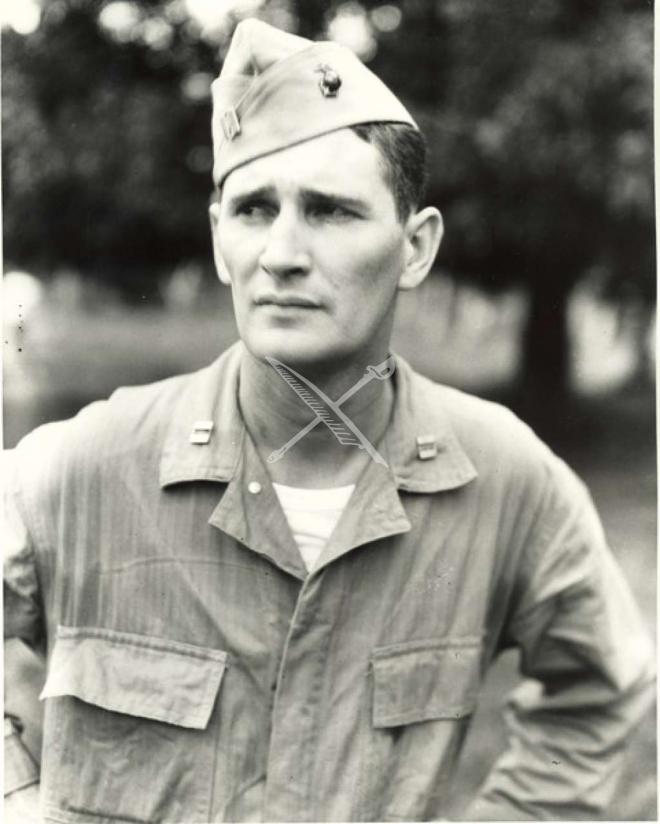
Marine Captain Foss, who shot down 26 Japanese aircraft, takes a breather on Guadalcanal in 1943.
Categories:
People
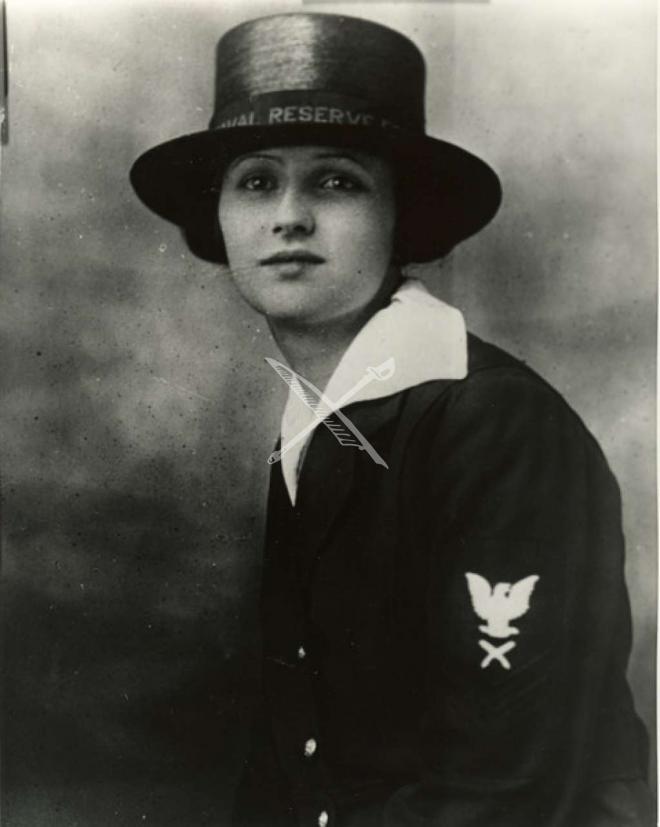
Yeoman First Class Joy Bright Hancock, 1918. Her naval career spanned both World Wars and culminated in her assignment as the third director of the Waves. She retired from the Navy in the rank of Captain.
Categories:
People
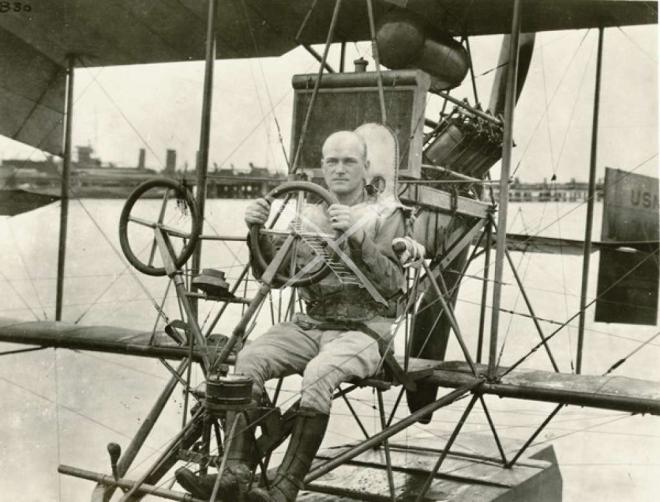
Photo of Admiral Marc A. Mitscher, USN in Navy seaplane at Pensacola, Florida. Photo dated Oct 1951.
Categories:
People
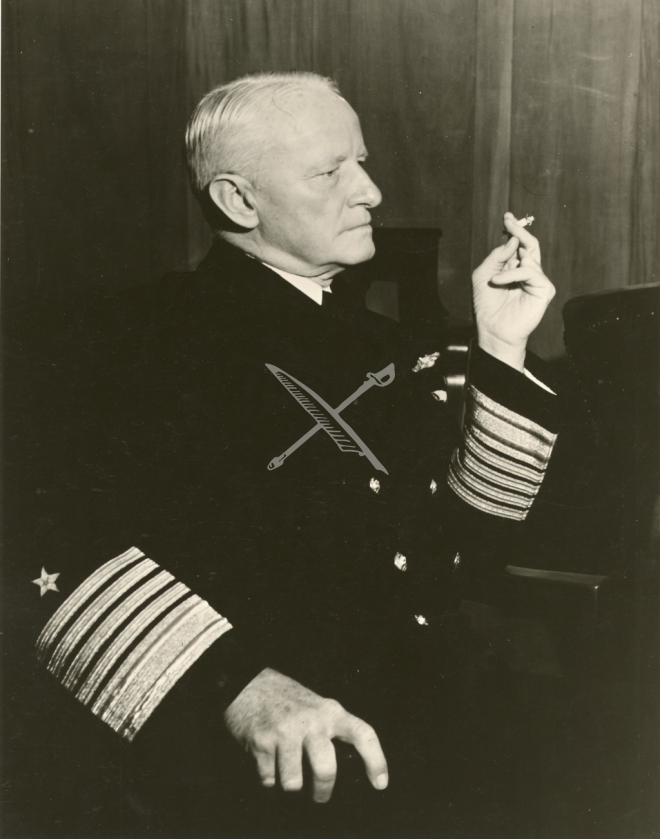
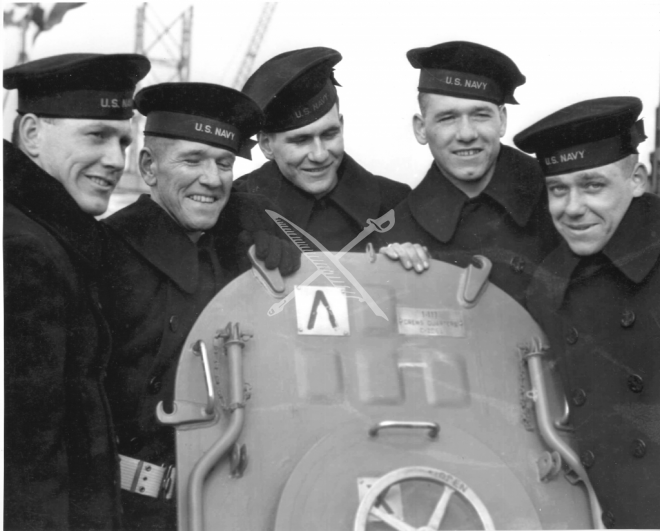
Five Sullivan Brothers from the USS Juneau (CL-52) at commissioning ceremonies in New York Navy Yard, on 14 February 1942. All were killed in action when the ship sank in November, 1942. From left to right: Joseph, Francis, Albert, Madison, and George
Categories:
People